
Online businesses today face a slew of tough challenges. But arguably, the most impactful one is learning how to stand out in a crowded digital market where customers want more than just pretty product pictures, and they want it fast.
If you don’t have advanced visual tools, your business may struggle to convey the true value and detail of your products.
In turn, this leads to lost sales and dwindling engagement. If your online store still relies on static images only, you’re losing customers (and revenue) without even realizing it. Shoppers today want to experience a product. And without dynamic, 360-degree views or interactive visuals, your products will always seem distant and uninspiring.
But if you invest in offering a richer, more engaging experience, you’ll recapture the buyers who were ready to click away and choose a competitor. That’s when you’re ready to invest in 3D modeling services.
In this post, we’ll talk about why 3D product displays are the future of e-commerce and how they can transform your store experience in the blink of an eye.
Let’s get into it.
What’s the Value of Professional 3D Modeling?
As more and more scams flood every industry and product category, customers have begun demanding to get up close and personal with what they’re buying before adding it to their carts.
They want to understand every detail and every angle of your product before they decide to spend money on it. And with professional 3D modeling services, you can help them do exactly that – see your product in action in a way pictures just can’t.
Here’s what else you get with a dedicated 3D team:
Accuracy and detail in product representation
First, you give your customers exactly what they want to see – your product design from every angle with sharp, true-to-life detail that can change their mind from “no” to “yes.”
There’s no more guesswork or surprises – it’s all replaced by an accurate picture of what you have to offer. This level of precision cuts down return rates substantially because buyers aren’t disappointed when the product arrives and it looks nothing like the picture.
A Threekit survey even notes that businesses can slash returns by up to 35% simply by switching to detailed 3D models. So, in just a few months, this can be you.
Enhancing the customer decision process
The truth is, online shoppers often hesitate when they can’t “touch” or see a product fully. While that might not be visible in your high-level analytics, it’s basic human psychology – customers perceive the risk of shopping online as higher, which reduces their willingness to buy.
In turn, shoppers become more confident in their decisions when they’re able to interact with the product in some way, and 3D modeling is currently the most advanced way of doing so. In a way, you’re giving your customers a mini in-store experience through the screen.
Cost and time savings
You might think 3D modeling sounds expensive or slow, but when you really do the math, it saves you both money and time long-term.
Think of it this way: instead of making costly physical prototypes or worrying about mistakes late in production, a professional 3D model will let you test ideas fast and fix problems early. As a result, this speeds up your product launch and clips a lot of unnecessary spending for numerous departments.
Early feedback and approvals
When you partner with a professional 3D rendering service, you’ll get quick, clear visuals that everyone can understand, from internal teams to customers.
With a professional team, you’ll get less back-and-forth, faster decision-making backed by data, and fewer surprises down the road. It’s a smarter way to collaborate with everyone involved in creating the product and making it the best it can be. With early sketches and models, everyone will get on the same page much sooner.
What Industries Benefit from 3D Modeling Services?
3D modeling isn’t just for big tech like Apple. On the contrary, it can be a powerhouse for any online business that wants to stand out through visuals.
Here are the top industries that can benefit from professional 3D modeling services:
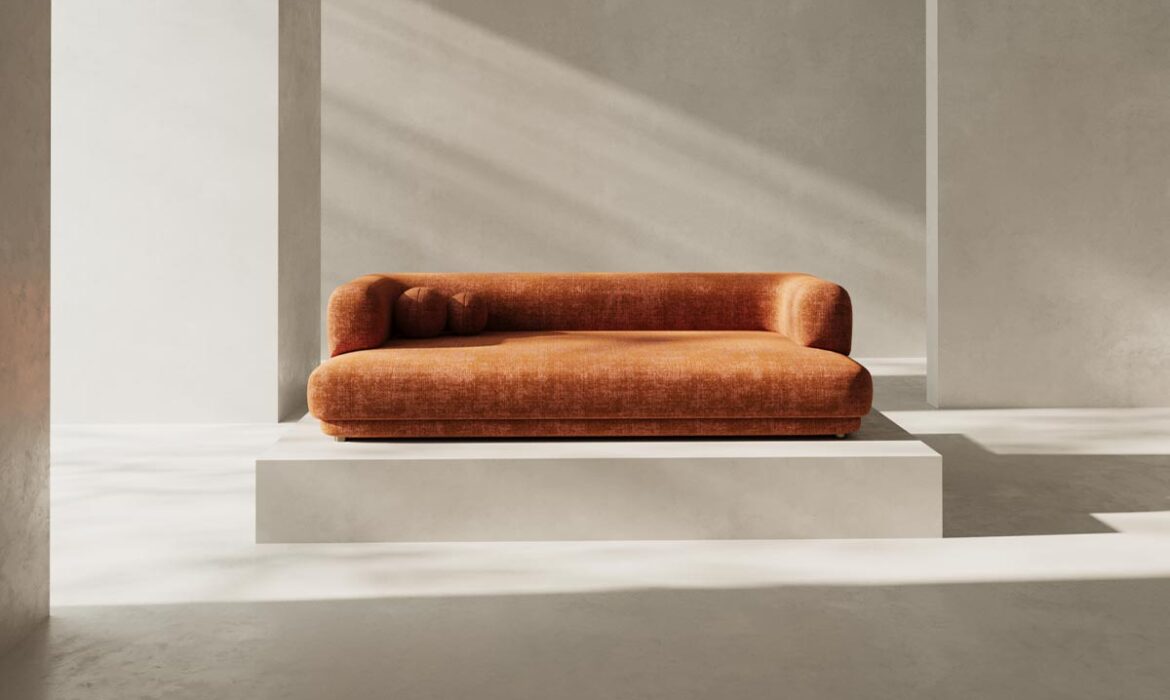
- Furniture and home decor: Since this industry is one we’re most experienced in, we’ve seen firsthand how beneficial 3D modeling is. You can use 3D for 360° product views and AR room planners, which can reduce size-related returns and facilitate knowledge of materials and textures.
- Fashion and apparel: Within fashion, you can use 3D models to create digital twins of clothes, shirts, or accessories with realistic fabric simulation for detailed views. You can even have virtual try-ons on 3D avatars to showcase sizing and fit.
- Electronics and gadgets: 3D is useful for modeling internals like ports and components for zoomable inspections to aid spec comparisons and highlight assembly details.
- Healthcare: Within healthcare, you can develop 3D models for medical device demos to help patients visualize function before purchasing. 3D models may also be useful in clinics for educational purposes.
- Gaming: 3D is currently most widely used in gaming, where teams build character and environment assets for games and trailers. 3D assets can also power demos and promotional materials that show updates or new releases.
How to Choose the Right 3D Modeling Service Provider
If you’re ready to leap and partner with a 3D modeling service provider to up the ante for your product presentation, it’s crucial to choose the right one for the job.
Whatever you do, you should never settle for just anyone, especially if their only value proposition is “cheap pricing.” A bad partner will mean wasted time and subpar results that hurt your sales.
We’ve worked with many businesses, and the ones who get exactly what they pay for are those who know how to separate apples from oranges.
Here’s what you need to do before you choose your 3D modeling service provider:
Reviewing portfolios and case studies
Skip sales pitches – these are designed to position the company/agency as the best choice for the job, even if they aren’t. Instead, ask the service provider for a portfolio of their previous projects (bonus points if it’s within your industry).
When you have your hands on their work, check if it can nail your style:
- Are the textures detailed enough?
- Is the lighting realistic?
- Does it show logical spatial structure?
Then, ask them for case studies showing how they’ve solved real business problems – which tools they used, how long they took, why they chose to do x instead of y, etc. The answers to these questions will show you whether the team can scale to your needs and deliver on time, which is how you should always shortlist.
Understanding 3D service pricing models
Pricing can trip you up if it’s not transparent, so always ask for a clear breakdown of costs from your 3D modeling service provider. Before you sign a contract, you need to know:
- Their hourly rates
- Project-based fees
- Packages for revisions
- Extra costs
Yet, there’s one thing we have to highlight: 3D services are not cheap (especially not the good ones). They’re a laborious and highly technical service you need to treat as an investment. By doing so, it’ll be easier to balance cost with value when comparing quotes against expertise.
The cheapest provider isn’t always the best, but a fair model will save you headaches and will align with your budget for long-term growth.
