3D Modeling Services: What Makes a Product Page Feel ‘Real’ Online
Are your product photographers and marketing teams still promising the moon with a few flashy photos of your new products?
We know why – it’s the safe thing to do.
But nowadays, safe won’t pay the bills; we all have access to the same tools (even for free), so how would one store stand out while using the same process as everyone else?
Online shoppers aren’t wowed by flat images anymore. They stopped being impressed by the bare minimum a few years ago.
They don’t want to guess your product’s size, texture, or fit in their space, so you start seeing abandoned carts with $2K+ worth of items, returns piled up, and conversions stuck in neutral.
But before you throw your hands up in despair, let’s talk about 3D modeling services – an approach that could flip the script and turn your product pages into an immersive experience.
Keep reading, we’re spilling it all.
Why “Real” Product Pages Convert Better
Flat images on high-ticket items breed doubt and hesitation because:
- Buyers can’t see the full product
- Buyers have no idea how the product fits size-wise
- Textures look inconsistent under zoom
- Lighting hides flaws or warps true colors
- There’s no way to check seams or hidden details
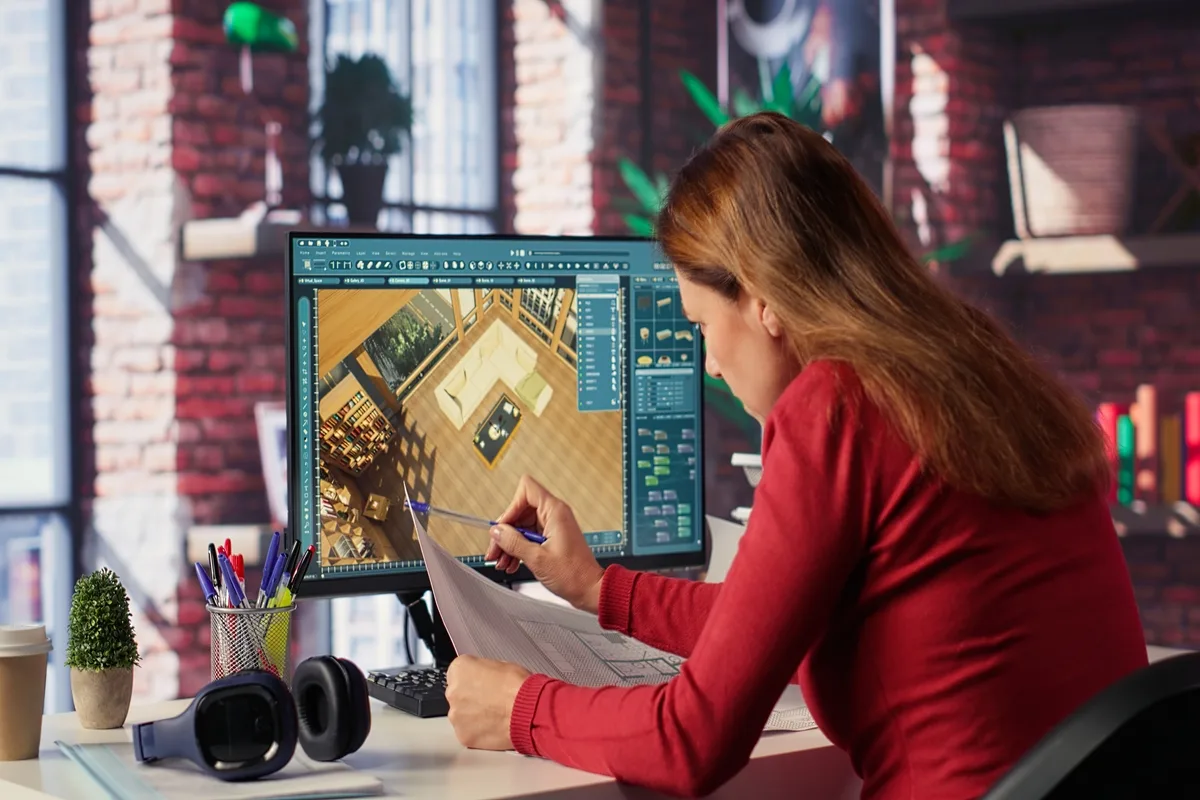
Luckily, you can root out all these issues with realistic product pages powered by 3D modeling and rendering services.
Here’s why these product pages convert better:
Online shoppers are buying with uncertainty
A customer browsing your site spots that mid-century credenza, likes it, and clicks through, only to hesitate because the photo doesn’t show if it’ll overwhelm their living room.
Online shoppers are buying with uncertainty every day, second-guessing scale, durability, and vibe from static shots that don’t cut it in today’s age of tech.
But if you decide against melting into the crowd, you can use professional 3D modeling services to wipe a customer’s doubt with product visualization that lets them explore every detail. This way, you have an actual shot at spiking product page conversion rates because your visitors aren’t gambling thousands anymore because they’re confident with their purchase.
Realism equals trust, and trust equals higher conversions
It’s that simple.
When photorealistic renders mimic real-life lighting and textures on products, buyers feel like they’re inspecting it in-store, not just ogling a pic on a site.
Studies back it up (and our clients live it): interactive 3D product view options like 360 product view slash hesitation on big spends, increase buyer confidence, and cut product returns by up to 35% because what you show is what they get. No surprises.
Besides, since 3D modeling services aren’t mainstream yet, the mere use of interactive models puts you ahead of the curve and pushes you to outpace the competition.
What Makes a Product Page Feel Real
Smart 3D product modeling for e-commerce is the necessary approach for layering in lifelike details for your products step by step.
You’ve nailed the “why” behind realistic product pages, but you’re not yet tactical on the “how” and “what.”
Below, we’ve outlined the 4 game-changing elements that make shoppers stop scrolling:
Accurate scale and proportions (size clarity)
Nothing kills a sale faster than a sofa that looks perfect online but arrives comically off-size for the room.
Accurate scale and proportions deliver size clarity right there on the realistic product page, so customers can mentally drop that executive desk into their office without a tape measure.
3D product modeling for e-commerce nails this because it lets users rotate and zoom for true-to-life measurements that bring back that missing trust.
Lighting that matches real life
Ever notice how store photos wash out leather grains or hide screen bezels under perfect studio glow?
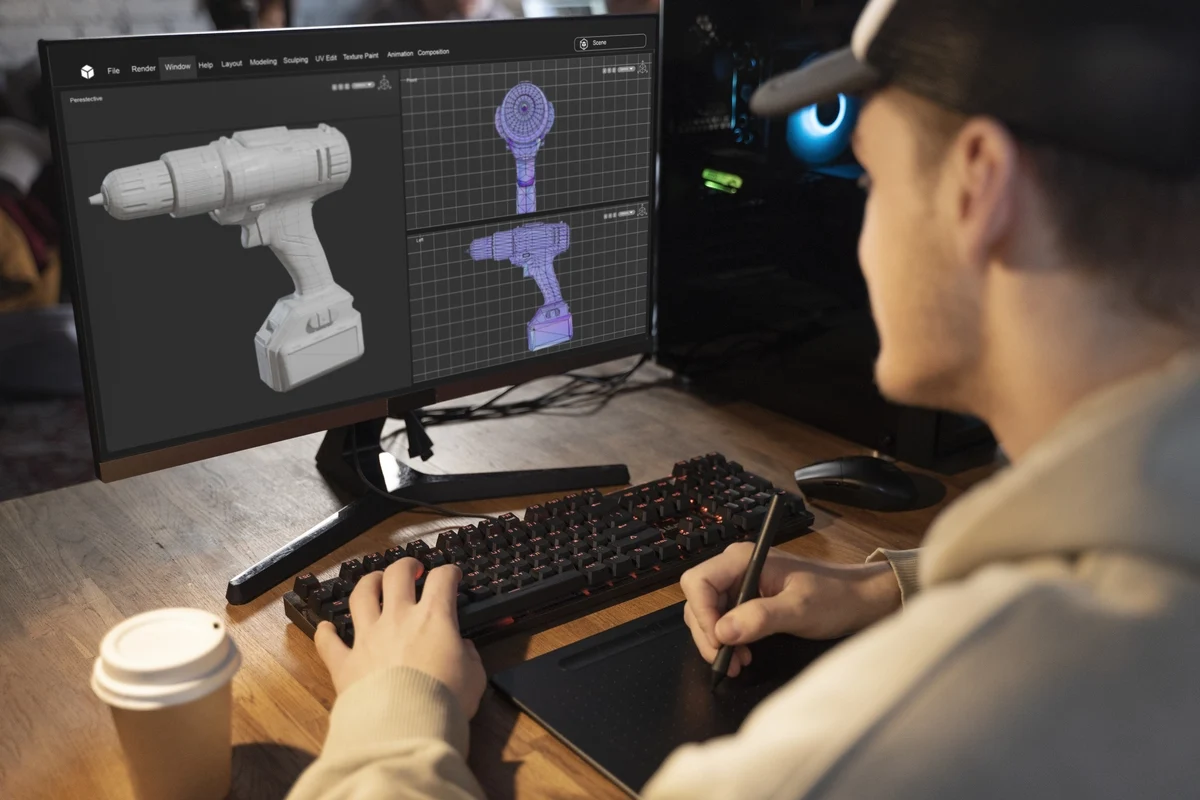
Lighting that matches real life, like harsh office fluorescents, warm home ambiance, etc., makes photorealistic product renders much more believable.
By using professional 3D modeling services, you can simulate dynamic shadows and highlights, so your high-ticket items look premium in any setting and match the buyer’s world. And with that, no more buyer’s remorse.
Texture detail that customers can “feel”
Using product visualization with texture details that customers can “feel” without touching will do more for your online store conversion than any redesign or new site.
When you let your customers zoom into lifelike wood grains, brushed aluminum, or fabric weaves with an interactive 3D product view, they can easily see the luxury build quality. This helps them determine whether the product fits their expectations, works in their space, or gives them what they need before they spend money on it.
Multiple angle views that add model clarity
One angle? Cute, but not convincing enough for a visitor to spend thousands of dollars on.
But multiple-angle views that add model clarity via 360 product view let shoppers spin, flip, and inspect from every side? Definitely convincing enough.
This guarantees you won’t get an overwhelming number of “what does the back look like?” questions that prompt images and video replies.
Realistic product page setups with these views boost engagement on high-ticket items because they give buyers all the information about the product upfront, making them more secure in its appearance.
5 Ways 3D Modeling Upgrades Product Pages And Why It Works
Now that you know the deliverables and what to expect regarding scope, let’s talk about how 3D modeling services can upgrade your product pages in 5 simple ways:
- Makes the product easier to understand in seconds: Interactive 3D product views let your shoppers grasp shape and function instantly via spin and zoom, cutting cognitive load so decisions happen faster.
- Shows details photos often miss (texture + stitching + edges): Your customers can zoom into photorealistic product renders to reveal stitching or edges that flat shots hide, which builds trust.
- Helps customers visualize it in their space (AR-ready models): AR-ready GLB/USDZ files let buyers plop your product right into their space via phone, which erases “will it fit?” fears and boosts buyer confidence.
- Makes variations effortless (colors/materials/modules): Your buyers can swap colors, fabrics, or modules on one model for endless configurations without new shoots with a realistic (and scalable) catalog.
- Creates a premium brand feeling: Polished 3D modeling services communicate luxury, innovation, and a premium brand feeling, which elevates your brand above static-photo competitors.
Where 3D Modeling Has the Biggest Impact (Best-Fit Categories)
But where does the magic hit best for retailers?
While we wholeheartedly believe that any brand can benefit from 3D modeling services and realistic product visualization, 3 best-fit categories work best:
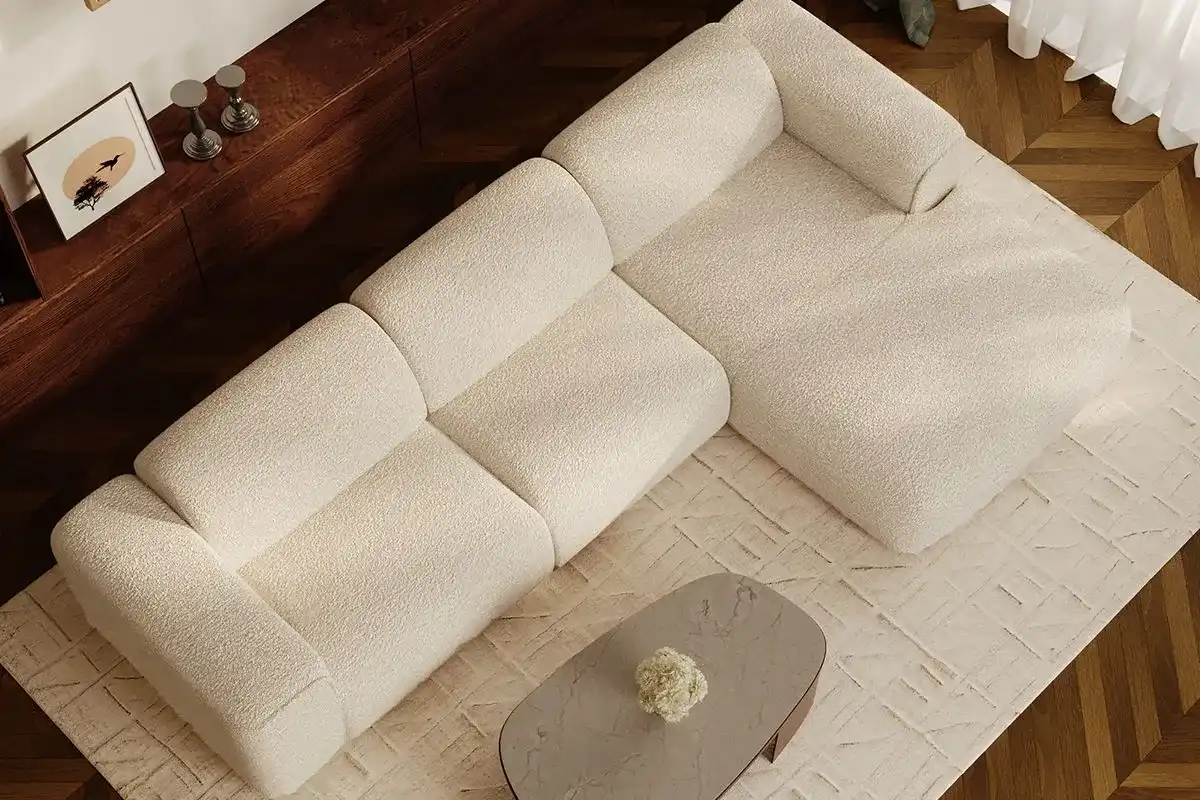
- Furniture and home decor: Since these retailers are our most common clients, we’ve seen firsthand how 3D product modeling for e-commerce turns furniture and home decor brands into industry leaders. Buyers can rotate sofas, check proportions in their space, visualize decor with a specific product, and zoom in on textures for a real fabric feel, significantly decreasing returns due to low buyer confidence.
- Products with multiple variations: If you work with products with multiple variations, big or small, you won’t have to deal with endless SKUs and mismatched photos with a photorealistic product render. You can swap colors and materials instantly from one model and deliver it across variants to fuel upsells without expensive reshoots.
- High-ticket items: Expensive laptops, AV systems, or designer furniture demand zero-risk proof, which interactive 3D product views can provide. It uncovers ports, finishes, and builds regular photos miss. As a result, it converts big-spend hesitators and cuts product returns on premium purchases.
What to Expect From 3D Modeling Services
Okay, 3D modeling services may be the option for your online store – but what should you expect when working with such a team?
While the exact scope, deliverables, and way of working depend on the project, the complexity, and the service provider itself, there are a few common things you can expect from this collaboration, such as:
Photorealistic renders for product pages and ads
You’ll get photorealistic product renders that look ripped from a showroom, perfect for product pages, social ads, or email blasts.
These deliverables won’t look flat, but capture every grain, sheen, and shadow with product visualization precision. Plus, your marketing team will get ready-to-use assets that increase buyer confidence without reshoots, ever.
Interactive 3D product view (360 rotation + zoom)
You’ll receive an interactive 3D product view with seamless 360 rotation and insane zoom. This feature will let your shoppers spin the product and see it from all angles.
This also means you won’t get any more headaches about whether or not an angle is right for your product photoshoot. 3D product modeling for e-commerce will deliver fluid interactivity via a 360 product view that boosts dwell time and product page conversion by making every detail explorable.
AR-ready product previews (GLB/USDZ)
AR-ready magic in GLB and USDZ formats turns browsers into placers. Shoppers drop your product right into their space via phone camera, which reduces friction and minimizes the chance for bugs or glitches.
3D modeling services future-proof your site for Shopify or BigCommerce plugins, slashing “doesn’t fit” returns with virtual try-before-buy.
Consistent visuals across the full catalog
Finally, you can blanket your entire catalog in pixel-perfect consistency and avoid getting mismatched lighting or scale across SKUs.
One 3D modeling service investment yields endless variants (colors, configurations, etc.) for sofas, gadgets, or accessories, ensuring your realistic product page applies to everything in your catalog without requiring extra work by your team.
In short, you’ll get unified branding that builds trust site-wide.
Finishing Thoughts
And there you have it – a comprehensive blog detailing why 3D modeling services aren’t just a nice-to-have, but a significant advantage.
This tech is ready to upgrade your catalog and get your sales spinning.
If this is the step for you, book a free consultation with our 3D team today, and let’s talk about how you can get to the next level.
Don’t let another cart abandonment slip away.
FAQs
Do 3D models actually increase conversions?
Yes, 3D models can boost your online store conversions significantly because it’s been proven to enhance engagement and confidence and reduce returns. Surveys from various retailers report up to 250% increases in AR views, 94% higher rates from interactive sessions, and 40% lifts with visuals following the addition of 3D models.
What’s the difference between 3D modeling and 3D rendering?
3D modeling builds the object’s geometry, structure, surfaces, and details in three-dimensional space using software. 3D rendering follows, and comprises applying materials, textures, lighting, shadows, and reflections to generate final photorealistic images or animations. In reality, one can’t work without the other, but not all service providers offer both.
Are interactive 3D models mobile-friendly?
Yes, modern interactive 3D models are mobile-friendly if they’re in formats like USDZ for iOS and GLB for Android/browsers. They support rotation and AR placement, optimize via compression, lazy loading, and efficient coding to keep load times comparable to image-heavy pages.
Can you make a 3D model using photos only?
Yes, our team can make a 3D model using just a photo. In fact, that’s exactly how we’ve done most of our 3D projects thus far. We use a combination of 3D modeling software like Corona 3ds Max and Cinema 4D for geometry creation.
What file format is best for e-commerce product pages?
GLB works best for cross-platform e-commerce (Android, browsers), while USDZ suits iOS/AR. Although both ensure compatibility on major platforms like Shopify, BigCommerce, and WooCommerce with plugins.
How 3D Animation Services Bring Your Products to Life
Are sales slowing down?
Have you started doubting the quality of your products and your ability to capture your customers’ attention?
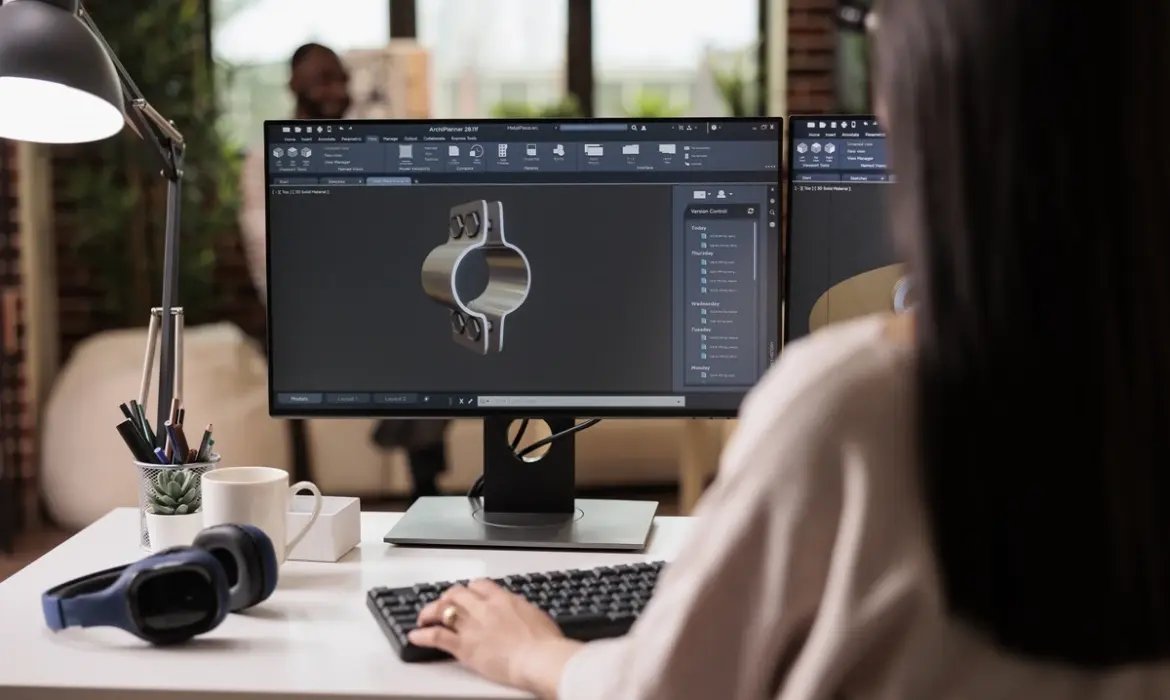
3D Product Design: From Concept to Customer
You have a brilliant product idea, but you don’t know how to bring it to life besides taking a few photos of it from different angles. (more…)
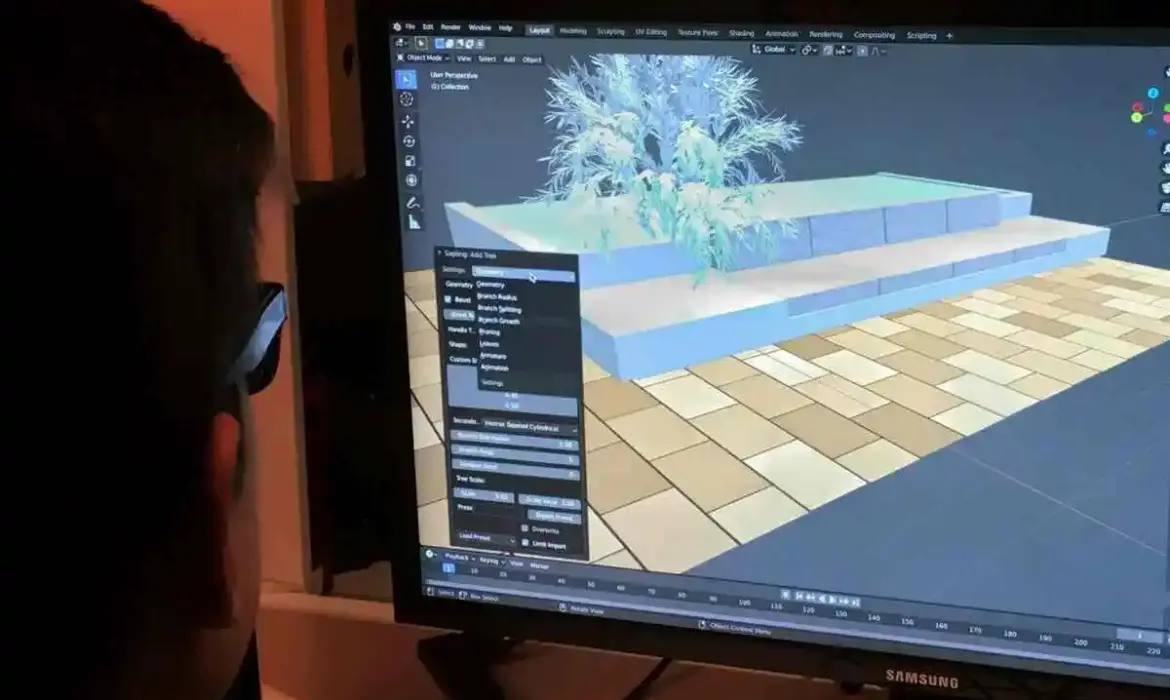
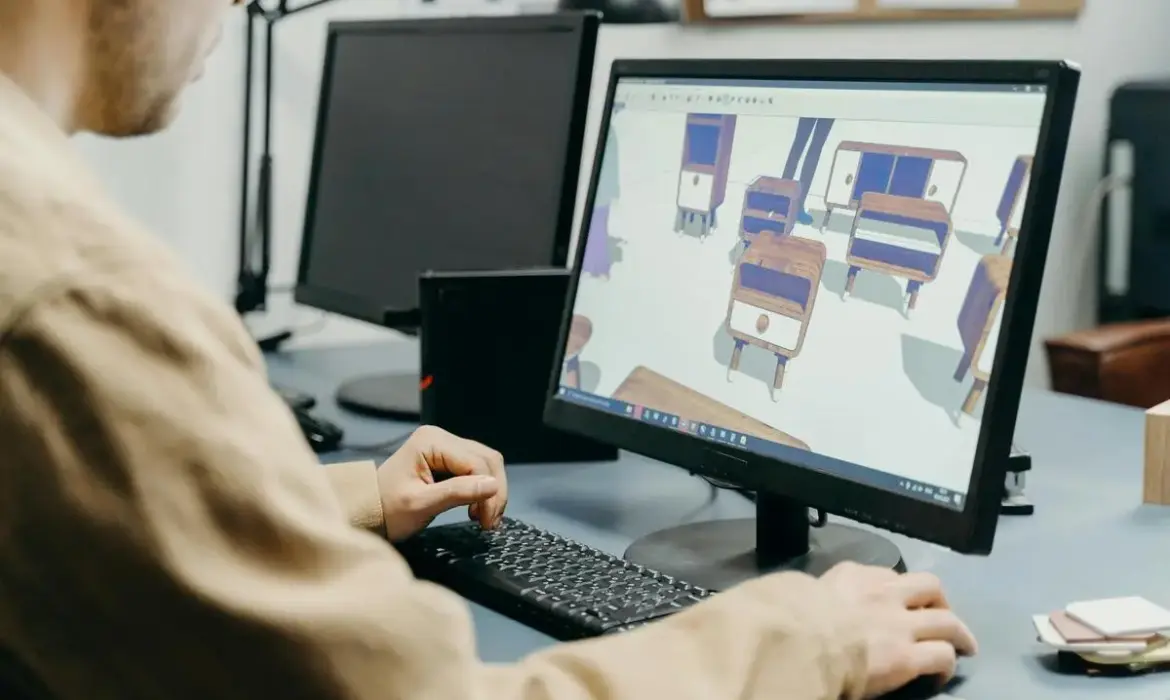
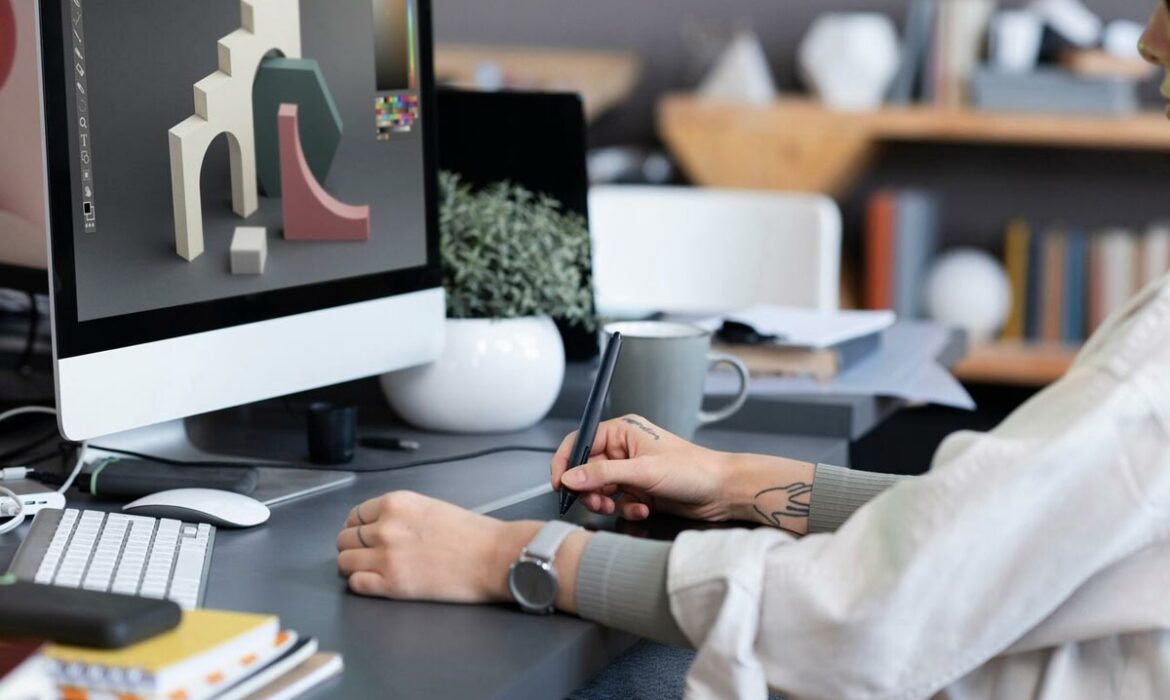
What Are the Benefits of 3D Modeling for Businesses?
We’ve said it before, but we don’t mind saying it again – we’ve been working with some of the most prominent furniture manufacturers in the region for years now.
Some days, it feels like we’ve lived a few lifetimes.
But these collaborations revealed a new potential for us – 3D modeling. We have a whole blog post about why we, a marketing agency, started 3D modeling, something that’s not obviously marketing (but it very much is). Despite the production and sales process getting digitalized left, right, and center, we still get probed about the time we spend 3D modeling furniture and how that’s helped our clients.
So let’s talk about why we do it and what it’s done for us.
The Great Things About 3D Modeling
We get it, it’s a new(ish) concept, and you’re skeptical. But we’ll keep on doing it because:
It Saves Time
Does your team still build an entire product, cross their fingers, and then realize it’s a dud? That may not be horrible if you’re working with small products. But, if you’re in the furniture industry, it can set your production and launch back months. With 3D modeling, we can tweak and twirl things and slash the time it takes to get the perfect design. Plus, you’ll virtually eliminate those trial-and-error headaches. You’re welcome.
It Makes Fantastic Prototypes
It just makes sense, doesn’t it? You can visualize your creation before spending a dime on manufacturing. It’s like you can see the future – the bed would be too bulky, the chair wouldn’t go with that dining table in a set, etc. With 3D modeling, your business won’t have to invest in creating costly physical prototypes – it’s all digital. Maybe it’s time to add ‘manufactures furniture’ to the CV…
It Saves Money
We know you business owners will love this one! If your agency can prototype and experiment with your product digitally, you won’t have to shell out big bucks for physical trials. Traditional prototyping involves not only the cost of materials but also the labor-intensive process of physically building the product. 3D modeling won’t make your accountant sweat bullets because the development process is leaner, faster, and cheaper.
It Allows for Customization
We’ve heard it loud and clear from our clients – generic solutions are out. Nowadays, every business wants tailor-made solutions and custom features to stand out. Well, 3D modeling can do just that – offer you a customized solution with a few clicks. Imagine you’ve got a design on the screen, and something doesn’t quite sit right. With 3D modeling, you’re not stuck with a ‘take it or leave it’ scenario. You can change it. And then you can change it again. Sure, it might test the patience of the designer, but they knew what they signed up for, right?
It Makes for a Great Online Presentation
As we said, a good 3D render can show the product from multiple angles. This experience mimics the way a buyer would inspect a product before purchasing it in the store. While they can’t touch it, they can see it in a dynamic environment – rotate it, zoom in, and scrutinize every detail. After all, you wouldn’t buy a shirt without checking if it has an open chain back, would you? That’s exactly how your customers feel when they can only see your product head-on. Digitally though, customers can visualize the product because the renders are exceptionally lifelike.
It Boosts Sales
A survey conducted by The Harris Poll reveals that 60% of online shoppers are more likely to buy a product if they see it in 3D or augmented reality (AR). Online shopping is quickly becoming our ‘default’, so visualizing the products you’re buying is crucial. This is a testament to the power of giving your consumers a closer look at your products without hauling them to your physical store. In the end, you must make the experience smooth. Don’t make your customers jump through hoops to buy your product. We’re all getting lazier anyway!